

Understanding the psychological triggers behind gambling behavior
One of the most compelling psychological triggers behind gambling behavior is the allure of risk and reward. The thrill associated with taking a risk can ignite excitement, drawing individuals toward games of chance. This adrenaline rush serves as a powerful motivator, as players often equate the possibility of winning with an exhilarating experience. Research indicates that this connection between risk and the brain’s reward system can be potent, amplifying the desire to engage in gambling activities. Many casual players may also consider exploring platforms like fair go online casino for a unique gaming experience.
Moreover, the concept of reward is intricately linked to the psychology of gambling. When a player wins, even if it’s a small amount, it reinforces the behavior through positive feedback. This reinforcement can lead to a gambling cycle where players continuously seek that rewarding sensation, believing that the next win is just around the corner. Such beliefs can skew judgment and encourage repeated gambling, often despite previous losses.
The temptation of potential financial gain acts as a magnet for many. The promise of a sudden windfall may prompt individuals to overlook the inherent risks involved. This optimistic bias often convinces players that they have a better chance of winning than they actually do, fostering a cycle of continuous play. This is exacerbated by near misses, which can intensify the feeling of being close to winning, further propelling the gambling urge.
Cognitive biases play a significant role in gambling behavior, influencing how individuals perceive their chances of winning. One common bias is the illusion of control, where players believe they can influence the outcome of a game through skill or strategy, despite the nature of these games being random. This misconception can lead to persistent gambling, as individuals think they can outsmart the odds, ultimately resulting in significant losses.
Another cognitive bias that significantly affects gambling behavior is the gambler’s fallacy. This is the mistaken belief that past events can influence the probability of future outcomes in games of chance. For instance, if a player experiences several losses in a row, they may feel that a win is “due,” leading them to gamble even more in hopes of reclaiming their losses. Such biases distort reality, making it difficult for players to make informed decisions regarding their gambling habits.
Moreover, confirmation bias also plays a critical role, as individuals tend to remember their wins while forgetting their losses. This selective memory creates a false narrative about their gambling success, encouraging further engagement. By focusing on the times they have won, players may ignore the many instances of loss, perpetuating a cycle of gambling behavior that can lead to addiction.
Social factors significantly contribute to gambling behavior, shaping how individuals view and engage in gambling. Peer influence can be a driving force; when friends or family members participate in gambling, individuals may feel compelled to join in. This social validation can create a sense of community and belonging, leading to an increased likelihood of gambling as a shared experience.
The role of cultural norms cannot be underestimated either. In societies where gambling is perceived as a popular or acceptable pastime, individuals may feel more at ease engaging in these activities. Conversely, in cultures where gambling is stigmatized, the act may become more secretive, heightening the psychological thrill associated with it. This duality highlights how social acceptance can influence gambling behavior and attitudes.
Additionally, the presence of gambling environments, such as casinos or online platforms, further exacerbates social influences. The design and atmosphere of these environments are often tailored to enhance the gambling experience, making it more attractive. Features such as bright lights, sounds of winning, and social interactions all serve to amplify the thrill of gambling, drawing individuals into the cycle of behavior that is both socially and psychologically compelling.
Engaging in gambling can have significant psychological effects, often manifesting in both positive and negative outcomes. On one hand, the excitement and enjoyment from gambling can contribute to a sense of euphoria, providing a temporary escape from daily stressors. This thrill may lead individuals to continue gambling in pursuit of that high, creating a reliance on the emotional highs associated with winning.
On the other hand, the psychological toll of gambling can be severe. Many individuals experience anxiety, depression, and feelings of isolation as a result of their gambling habits. The stress associated with losses and the pressure to chase wins can lead to mental health challenges that compound over time. The psychological burden can weigh heavily on relationships and overall well-being, often resulting in a cycle of shame and secrecy.
Furthermore, the addictive nature of gambling can lead to compulsive behavior patterns. As players find themselves unable to stop despite negative consequences, the psychological impact can spiral, leading to financial ruin, strained relationships, and deteriorating mental health. Recognizing these effects is crucial in understanding the complexities of gambling behavior and the need for support and intervention.
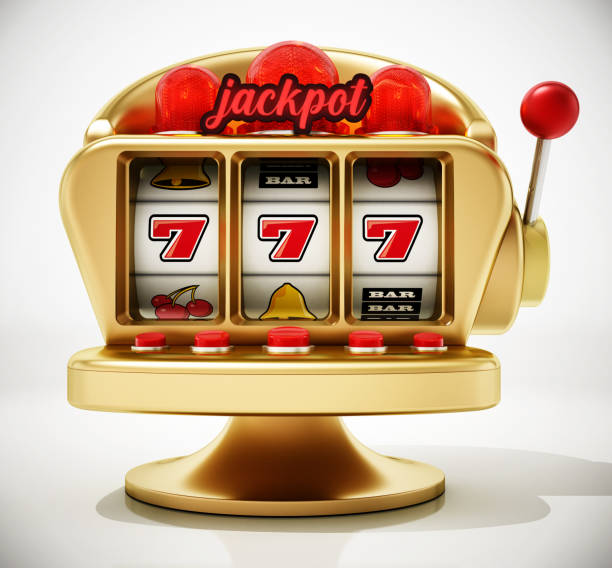
Fair Go Casino offers a unique environment for those interested in gambling while promoting responsible gaming. With a focus on user-friendly experiences, the casino provides a wealth of resources to help players understand their gambling behaviors better. This includes information on setting limits and recognizing the signs of problematic gambling, ensuring that players are informed and empowered in their gaming choices.
The platform features a variety of games, catering to both casual players and seasoned gamblers. However, Fair Go Casino emphasizes the importance of maintaining a healthy relationship with gambling, encouraging players to engage in the activity for entertainment rather than as a means to escape life’s challenges. The casino’s commitment to responsible gambling sets it apart as a safe space for players.
In conclusion, Fair Go Casino not only provides an exciting gaming experience but also prioritizes the psychological well-being of its players. By fostering an environment that supports responsible gaming, it contributes positively to the broader conversation around gambling behavior, helping players enjoy their experience while remaining mindful of the psychological triggers that drive their gambling habits.